-
HB 215 Protects Homeowners’ Rights to Fire-Safe Landscaping
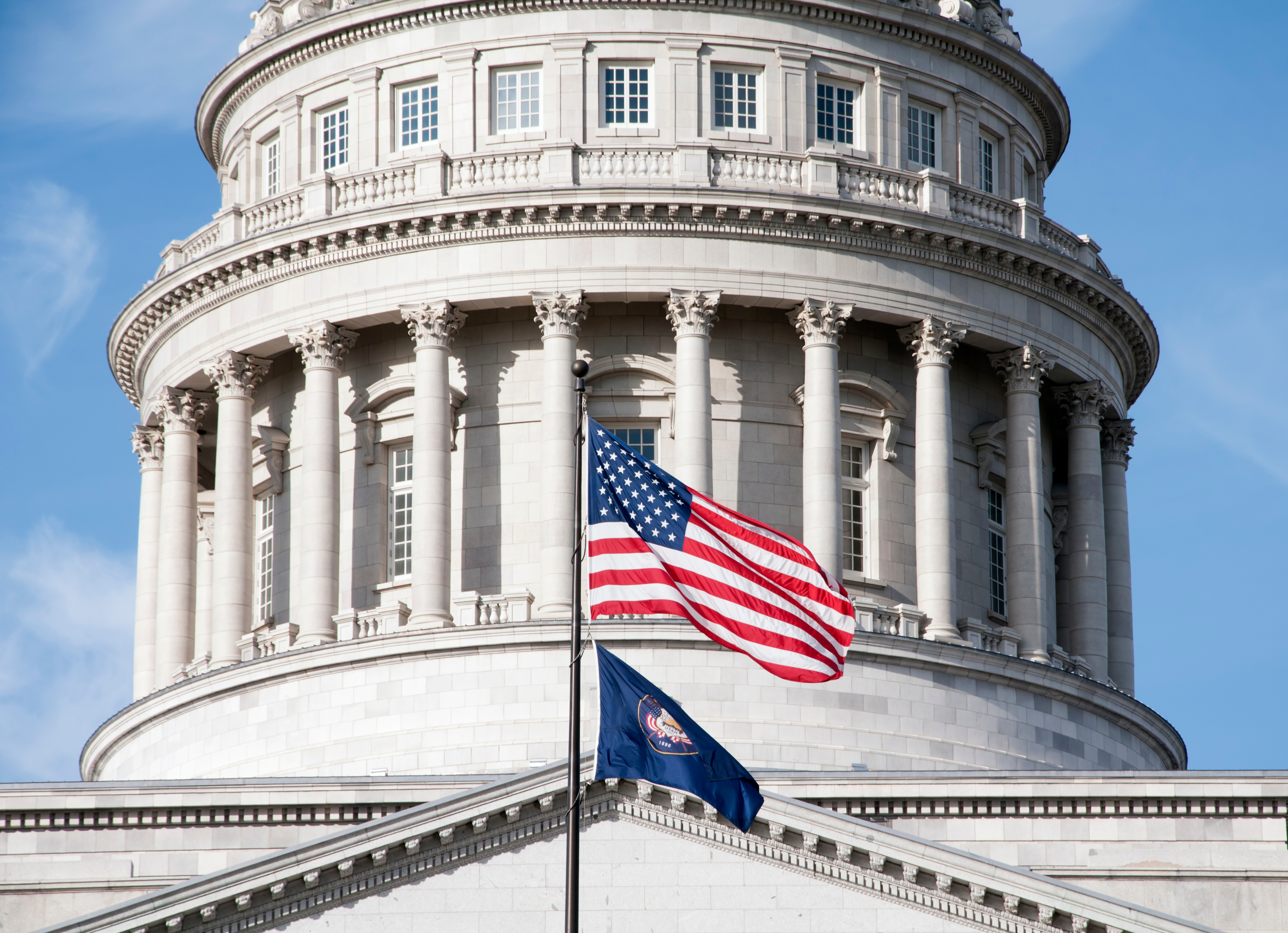
HB 215 focuses on one simple idea: homeowners in fire‑prone WUI areas should be able to remove hazardous vegetation around their homes — regardless of local or HOA restrictions.
What the Bill Does- Gives property owners in designated WUI zones the right to fire‑proof their landscaping
- Prevents cities, counties, or HOAs from stopping vegetation removal
- Applies only within official WUI boundaries (a compromise made during amendments)
What seemed like a straightforward, common-sense measure ultimately faced unexpected resistance.
The proposed bill aimed to ensure that homeowners, particularly those in fire-prone areas, could implement fire-resistant landscaping practices without restriction. However, concerns from some city officials about state-level authority overriding local control led to significant pushback.
In the end, the bill did pass—but with important limitations.
Final language restricts its application exclusively to designated Wildland-Urban Interface (WUI) areas. While this ensures that homeowners within officially recognized high-risk zones can adopt proven fire-resistant landscaping methods, it also creates a notable gap.
Homeowners living in areas with real fire risk, but outside formal WUI boundaries, may still be prevented from implementing these same protective measures.
The result is a partial victory: progress in advancing fire safety where it is formally acknowledged, but continued constraints where risk exists without official designation. It underscores the ongoing tension between local control and broader efforts to restore private property rights.
To read the language that was adopted in the session, go to HB0215.pdf.